
Dear trauma survivor, I know the pain, the fear, the anger and the sorrow. I know what it feels like to wake up with a black cloud hanging over your soul. I understand the endless noise in your mind, the overthinking, the hypervigilance, the distrust, the exhaustion of carrying wounds that never seem to stop bleeding.
I know.
And because I know, I also know this:
There is more.
This is my invitation to you: not to deny your pain, not to minimize your story, but to call you into something greater than what happened to you.
Please...
Love your future possibilities more than your past pain.
Trauma changes people. It rewires the brain, reshapes beliefs, and influences how we see ourselves and everyone around us. It can make safety feel suspicious, and kindness feel like manipulation. It can make us push away the very people heaven has sent to help us. Sometimes trauma speaks through ingratitude, the mask of neediness. Sometimes it looks like entitlement, and sometimes it hides behind bitterness, dishonesty, dishonour, or an inability to trust. These are not signs that you are a bad person. They are often trauma responses.
But here's the difficult truth:
Trauma responses, if left unhealed, can shut doors that God is trying to open. Not everybody is against you. Not everybody wants to hurt you. Not everybody is unsafe. There are people God handpicks to walk into your life; people who genuinely want to love you, mentor you, support you, and help you heal. Yet many never get the chance because trauma convinces you to close the door before they even knock.
Please don't misunderstand me. Don't say I don't understand.
I do.
I have walked this road.
My Adverse Childhood Experiences (ACE) score is four. I know what it means to carry childhood wounds into adulthood. I know what it feels like when yesterday refuses to stay in yesterday. So when I write, I am not writing as an observer. I am writing as someone who has lived it.
Actually...
Let me correct that.
I lived it.
Because while the word survivor is powerful, it can sometimes quietly imprison us. It keeps our identity tethered to what happened instead of who we are becoming. You are more than a survivor. You are more than the abuse. More than the abandonment. More than the rejection. More than the neglect. More than the betrayal. There is a depth within you that heaven is waiting to draw from. Purpose. Wisdom. Compassion. Leadership. Healing. Legacy.
But healing is the pathway to that depth.
We cannot continually barricade the doorway with unresolved pain and still expect purpose to flow freely.
One truth has become increasingly clear to me over the years: Many of history's greatest stories of purpose were born out of adversity. Look at Elon Musk. His parents divorced. He has spoken publicly about emotional abuse from his father. He was severely bullied in school—to the point that he was hospitalized after one attack. His early years were marked by hardship, poverty and rejection. Yet adversity did not have the final word.
Or think about Moses.
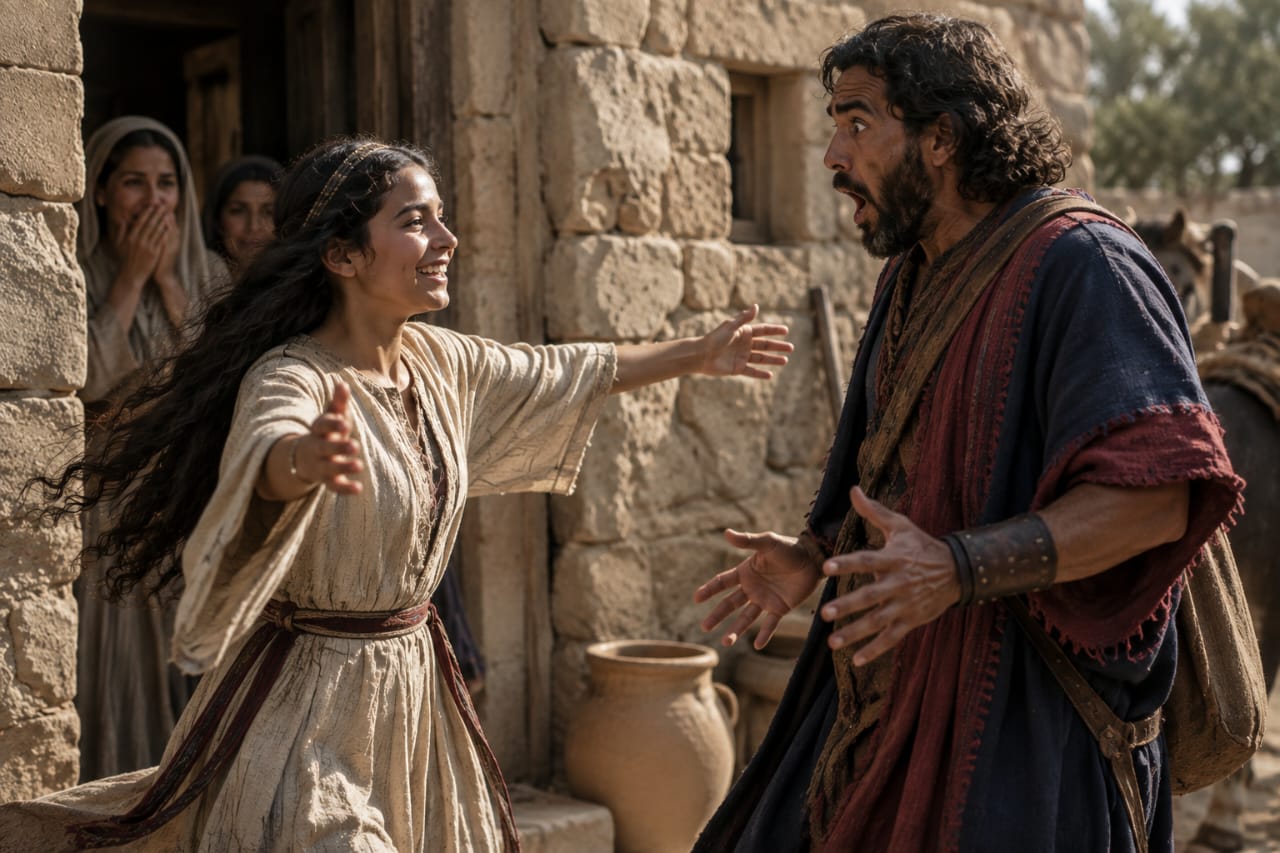
Long before he became Israel's deliverer, he was a traumatized child. He was born under a government-sanctioned genocide. Every Hebrew baby boy of his generation was marked for death. His mother hid him for months, knowing discovery meant execution. Eventually, she placed her baby in a basket on the Nile, not because she wanted to let him go, but because it was the only chance he had to live. He was separated from his biological family. He was raised in Pharaoh's palace, immersed in a culture different from his own people. He grew up with profound questions of identity: Who am I? Where do I belong? As an adult, he witnessed injustice that awakened deep emotions within him. After killing an Egyptian, he fled into exile, living for decades as a fugitive before God called him back. Moses' story is one of displacement, loss, identity conflict, fear, grief, and exile. Yet out of that broken story emerged one of the greatest deliverers the world has ever known.
Here is what I have learned, both as a physician and as a trauma-informed therapist: Pain, when well stewarded, births purpose. But pain, when continually perpetrated, births more pain.
It births broken relationships, emotional poverty, unhealthy coping, addiction, wounded children, and transgenerational trauma.
Every generation is handed a baton. The question is: Will you pass on pain, or will you pass on healing?
There are really the only two choices before us.
Stay down.
Or get up.
Yes, getting up is costly. Healing demands honesty. Therapy. Accountability. Forgiveness. New ways of thinking. Learning to trust again. Choosing responsibility over blame. Loving your future more than your familiarity with pain. None of that is easy.
But remaining unhealed is also costly. The difference is that healing costs you now. Unhealed trauma may cost your children, your marriage, your purpose, your health, and sometimes generations after you.
So let me ask you something.
Do you want to hand your children the baton of pain? Or do you want to become the generation where the cycle finally stops?
Regardless of what your past looks like... Your future is still spotless.
Your trauma may explain how you got here. But it does not have to define how your life ends.
Dear trauma survivor,
There is more.
Please...
Reach for more.

Simpa Ozavize Grace
Thank you for this piece ma'am
1 month ago